Quality Inspection in China Before Your Goods Ship
Check quantity, workmanship, dimensions, function, labels and packaging against your approved specification while the factory can still correct problems.
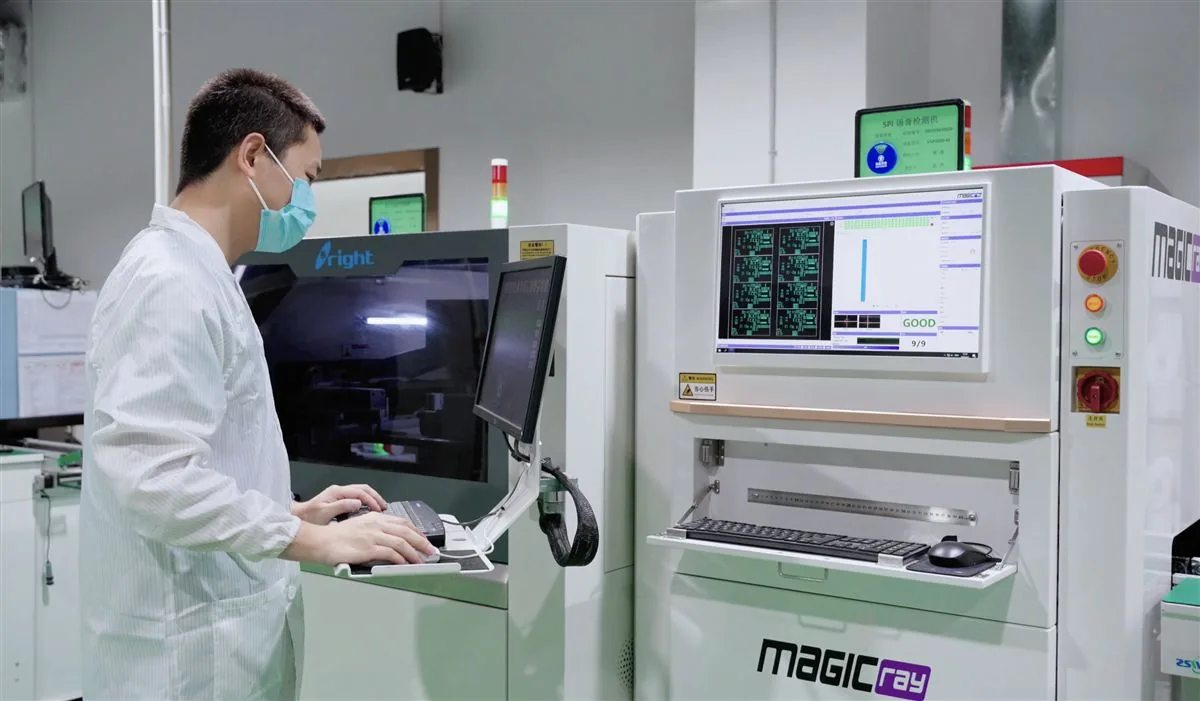
Quick answer: a useful China quality inspection compares a representative sample with a buyer-approved checklist, records defects and measurements, confirms quantity and packaging, and gives the buyer evidence to release, rework or reject the shipment before final payment.
Choose the Inspection Stage That Matches the Risk
Pre-Production
Confirm approved sample, materials, components, colors, labels, packaging artwork and the inspection checklist before mass production starts.
During Production
Inspect early finished units and the production process while there is still time to correct workmanship, assembly or material problems.
Pre-Shipment
Check finished and substantially packed goods before final payment or release using the agreed sample plan and defect limits.
Loading Check
Confirm passed cartons, shipping marks, carton count, visible condition and loading evidence when goods are handed to the forwarder.
What We Check
- Quantity: order quantity, packed quantity, carton count, assortment and accessories.
- Workmanship: appearance, finish, assembly, contamination, scratches, gaps, loose parts and other defined defects.
- Dimensions and weight: product measurements, tolerances, unit weight and packed carton data.
- Function: agreed operational, fit, power, load, assembly or user checks appropriate to the product.
- Identity: model, color, material, barcode, logo, label, manual, warnings and destination-market markings.
- Packaging: unit protection, carton strength, sealing, assortment, shipping marks and drop or handling checks when included.
Complete Measurement Evidence
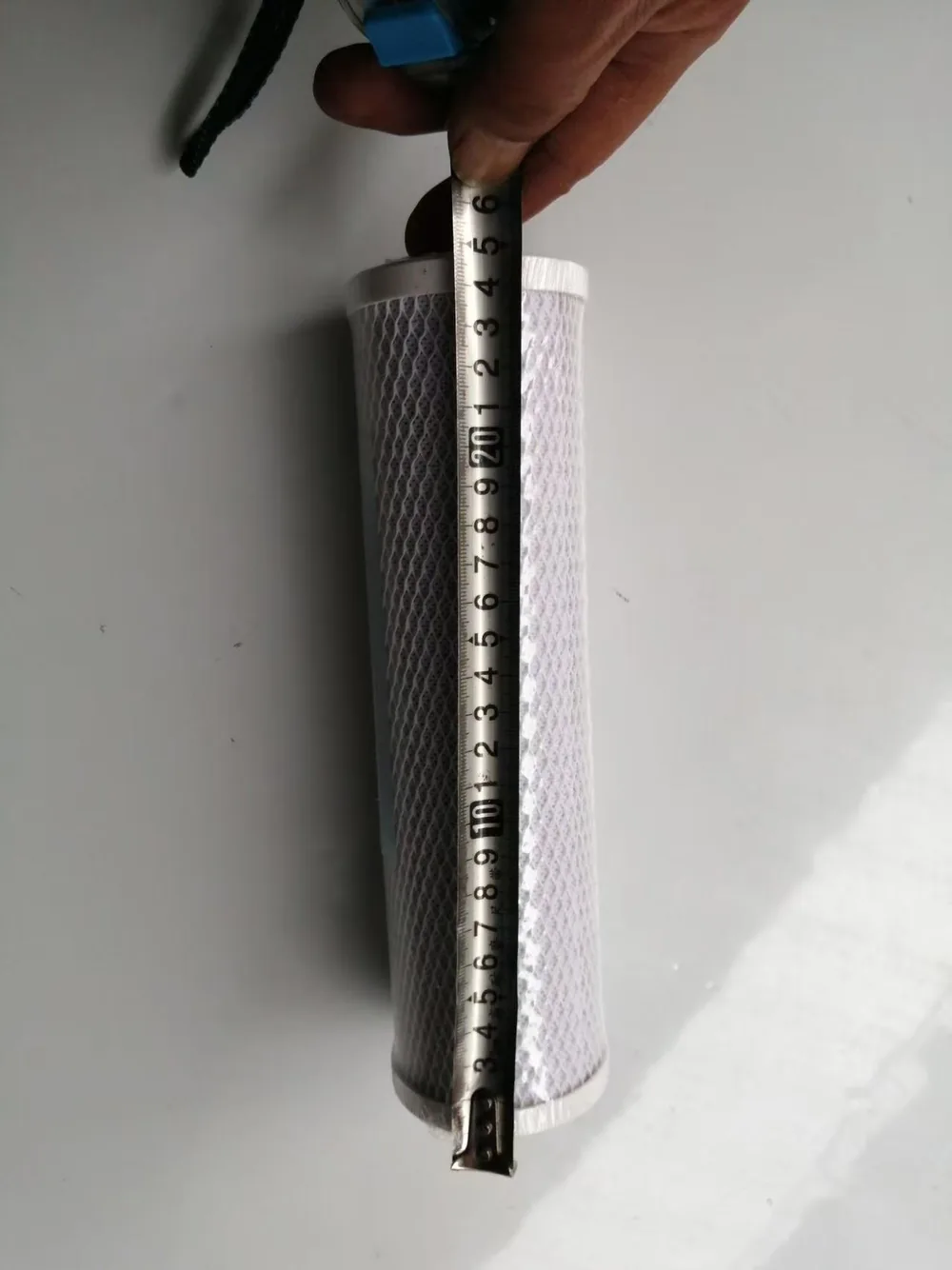
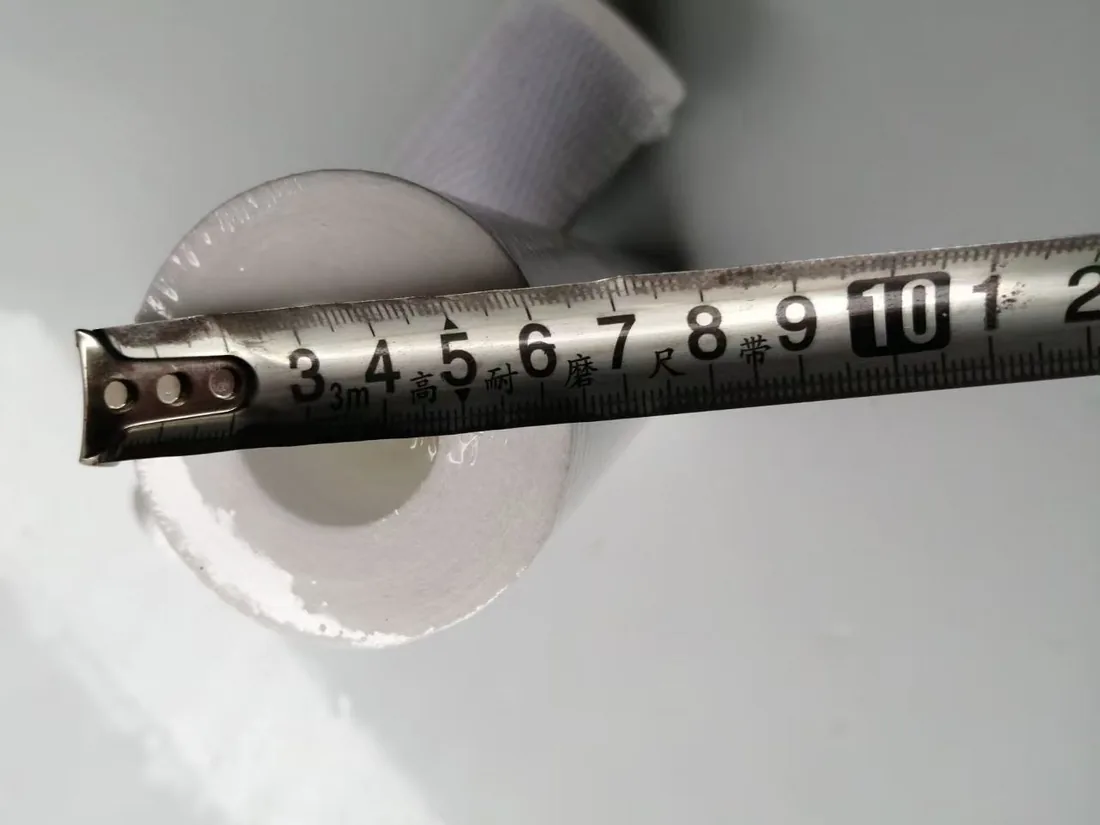
Evidence boundary: a measurement photo supports an inspection result only when it is matched to the correct sample, approved specification, tolerance and dated report. The photo alone is not a pass decision.
How AQL Sampling Works
AQL sampling chooses how many units to inspect from a production lot and how many critical, major and minor defects can be accepted. It is efficient because the inspector does not need to open every unit, but it is a sampling decision—not a zero-defect guarantee.
For many general consumer goods, buyers use ISO 2859-1 general inspection level II as a starting point, with defect limits such as 0 critical, 2.5 major and 4.0 minor. That is not appropriate for every product. Safety-critical, medical, children's, electrical or tightly engineered goods may require stricter limits, special tests or 100% checks. The buyer-approved specification always controls the inspection.
Before booking: provide the purchase order, approved sample or reference photos, drawings, tolerances, packaging artwork, required tests and clear defect definitions. An inspector cannot reliably judge an unwritten expectation.
What the Inspection Report Includes
- Factory, product, order, lot and inspection-date identification.
- Production and packing status observed on arrival.
- Sample size, inspection level and acceptance limits used.
- Quantity reconciliation and carton selection record.
- Defect table separated into critical, major and minor findings.
- Measurements, function-test results, labeling and packaging checks.
- Clear photos of the sample, defects, cartons, marks and test setup.
- Pass, fail or pending conclusion against the buyer-approved checklist.
What Happens When Inspection Fails?
A failure should trigger a documented correction process, not an argument about whether the defects “look acceptable.” We send the evidence to the buyer, identify which criteria failed and ask the factory for a corrective plan. The buyer decides whether to require sorting, repair, replacement, discount, schedule change or cancellation under the purchase agreement.
When rework is material, a re-inspection should confirm that the corrections were actually completed. The original failed sample should not be treated as proof that the entire lot was fixed.
Common Defects Caught Before Shipment
- Wrong material, finish, color, size, plug, accessory or model assortment.
- Loose assembly, uneven gaps, scratches, contamination, poor printing or cosmetic damage.
- Missing labels, inaccurate barcodes, incorrect manuals or non-matching packaging artwork.
- Units that pass visually but fail function, fit, power or simple durability checks.
- Weak cartons, insufficient protection, wrong shipping marks or mixed cartons.
- Finished quantity lower than invoiced or cartons not ready for shipment.
Quality Inspection China FAQ
When should I book a pre-shipment inspection?
Confirm the checklist before production finishes, then inspect when the goods are substantially complete and enough units are packed to assess packaging. Leave time before final payment and collection so the factory can correct problems.
Does a passed AQL inspection mean zero defects?
No. It means the sampled lot met the agreed acceptance criteria. AQL balances risk and inspection cost; it does not inspect every unit or remove all possibility of defects.
Can you inspect products from more than one supplier?
Yes, but each supplier, location, product and lot needs a clear scope. For consolidated shipments, product inspection should occur before release, followed by receiving and carton checks at the consolidation warehouse.
How much does a China inspection cost?
Cost depends on factory location, product complexity, sample size, tests, number of SKUs and expected inspection time. The scope and fixed quote are confirmed before booking, with no surprise add-ons afterward.
Inspect Before Final Payment and Shipment
Use the free buyer checklist to prepare the inspection brief, then send the specification, order quantity, factory address and target ship date for a scoped inspection.